
Menolicious: Eat Your Way To A Better Menopause by Mariella Frostrup And Belles Berry
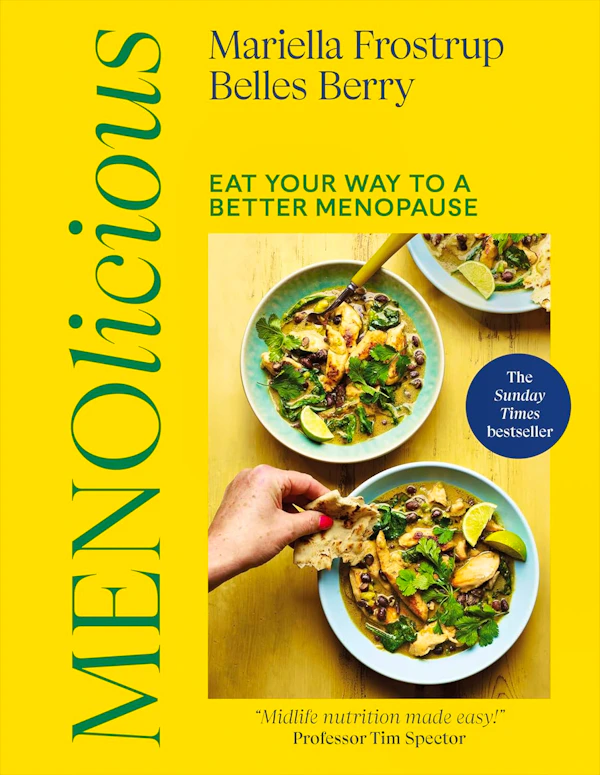
This book – by national treasure Mariella Frostrup and Mary Berry's daughter Belles – is full of delicious, zesty recipes that are as good to look at as to eat. But the best thing about it is the store cupboard section, which is essentially a shopping list for midlife.
Buy it.
Recipes For A Better Menopause by Dr Federica Amati & Jane Baxter
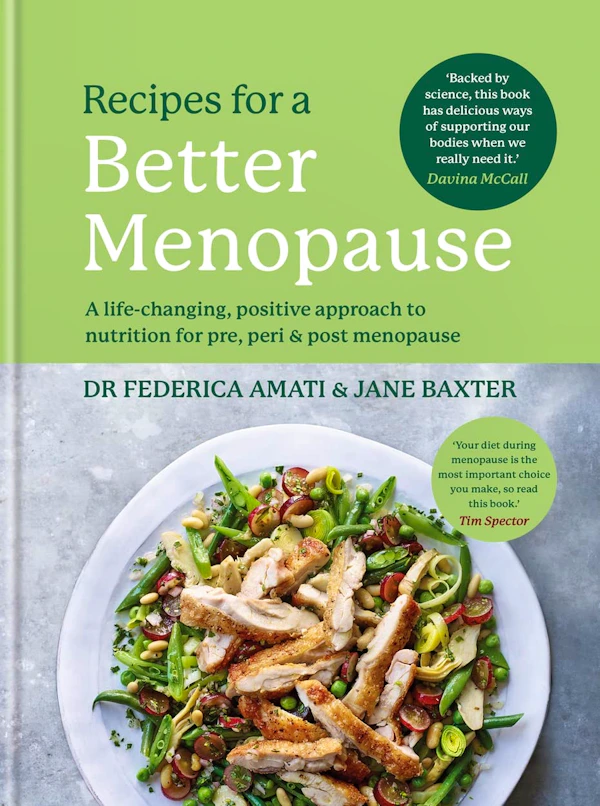
This one combines nutritional science with simple, genuinely appealing recipes that showcase how eating more plants, fibre and healthy fats can support your hormonal health.
Buy it.
The Natural Menopause Method Cookbook by Karen Newby
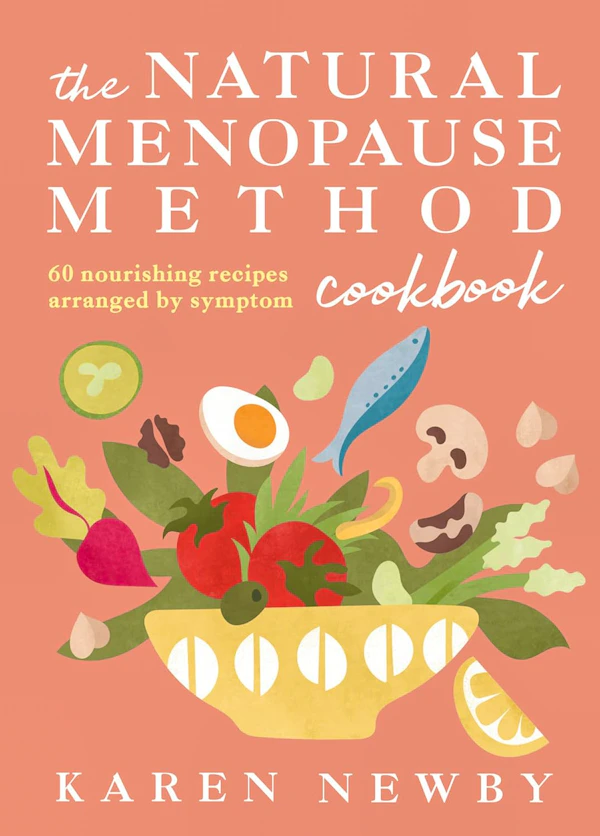
Nutritionist Karen Newby organises this cookbook around common menopause symptoms, making it easy to find recipes that target everything from hot flushes and brain fog to poor sleep and low mood. Expect wholesome, nutrient-dense dishes backed by sensible nutritional advice.
Buy it.
No-Nonsense Nutrition by Dominique Ludwig

Although not written exclusively for menopausal women, this refreshingly straightforward book cuts through wellness myths and focuses on the nutritional habits that genuinely improve health. Science-led without ever feeling preachy, it's a fab choice for anyone wanting sustainable changes rather than quick fixes.
Buy it.
Food For Menopause by Dr Linia Patel
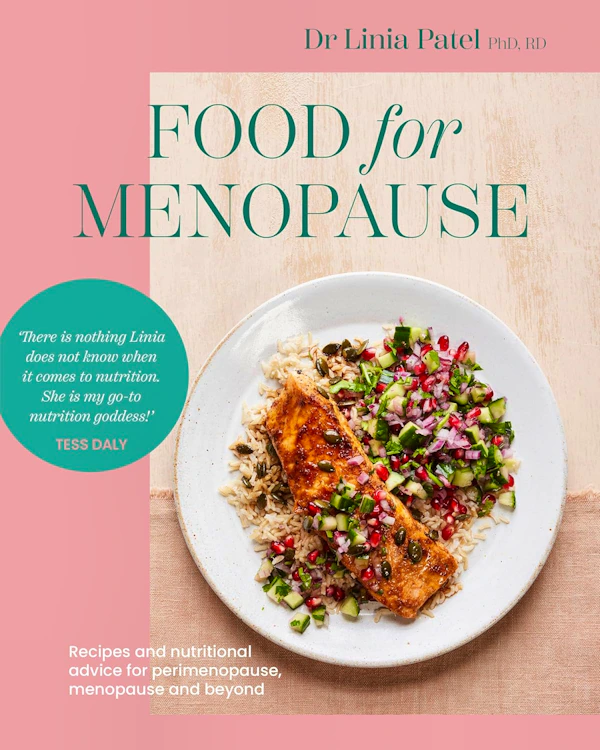
Tess Daly's favourite dietitian Dr Linia Patel has written an approachable, realistic guide to eating well through perimenopause and beyond. Alongside her family-friendly recipes, she explains the science behind protein, bone health and blood sugar in a way that is reassuring and easy to follow.
Buy it.
FAQs: Finding Good Menopause Cookbooks
What is the best cookbook for menopause?
The best menopause cookbook depends on your goals. If you're looking for science-backed nutritional advice alongside practical recipes, books by Dr Federica Amati, Dr Linia Patel and Karen Newby are excellent choices. For colourful, accessible cooking with plenty of lifestyle advice, Menolicious by Mariella Frostrup and Belles Berry is a standout.
Can changing my diet help menopause symptoms?
Yes. Although diet cannot stop menopause, eating a balanced diet rich in protein, fibre, healthy fats and calcium may help support energy levels, mood, bone health and overall wellbeing. Many women also find that reducing ultra-processed foods, alcohol and excess sugar can help ease certain symptoms.
What foods are best to eat during menopause?
Experts generally recommend plenty of vegetables, fruit, wholegrains, beans, lentils, nuts, seeds, oily fish and lean protein. Calcium-rich foods and those containing healthy fats, such as olive oil and avocados, can also support health during midlife.
Which foods should you avoid during menopause?
There is no universal list of foods to avoid, but some women find that alcohol, spicy foods, caffeine and highly processed foods can worsen symptoms such as hot flushes or disturbed sleep. Keeping a food diary can help identify any personal triggers.
Are menopause cookbooks written by nutrition experts?
Many are. Several of the most highly regarded titles are written by registered dietitians, nutritionists or doctors specialising in nutrition, combining evidence-based advice with recipes designed to support women through perimenopause and menopause.
What is the difference between perimenopause and menopause?
Perimenopause is the transitional stage leading up to menopause, when hormone levels begin to fluctuate and symptoms often start. Menopause is officially reached when a woman has gone 12 consecutive months without a menstrual period.