

But as the clocks change and the sun starts to show up more consistently, it's worth pausing before you reach for your usual evening serum. Because here's what most people don't know: retinol makes skin significantly more sensitive to UV light. Used in the morning, or without diligent SPF at all times, it can actually worsen the hyperpigmentation and sun damage you've been working so hard to reverse. Even used nightly, retinol-treated skin is more reactive to incidental sun exposure and in spring and summer, that exposure adds up fast. A walk to the Tube, a lunch outside, a weekend in the garden. Your skin is collecting UV without you even realising.
So what's the answer? Make a seasonal switch to ingredients that deliver the same anti-ageing, brightening and resurfacing benefits without the photosensitivity issue. And good news, there's a genuinely impressive roster to choose from…
The Ingredient Worth Knowing: Bakuchiol
Pronounced buh-koo-chee-all (yes, everyone mispronounces it), bakuchiol is derived from the seeds and leaves of the Babchi plant, which has been used in Ayurvedic and traditional Chinese medicine for centuries. In skincare terms, it functions in a strikingly similar way to retinol, by stimulating collagen production, encouraging cell renewal, reducing fine lines and evening out skin tone. Yet what it doesn't deliver is the irritation, dryness or UV sensitivity that can make retinol such a commitment.
A landmark study published in the British Journal of Dermatology found that after 12 weeks of use, bakuchiol was comparable to retinol in reducing both wrinkles and hyperpigmentation — but with significantly less stinging and scaling reported by participants. That's not a small thing. For anyone who has ever had to nurse their skin through a retinol purge, the idea of getting equivalent results without the drama is genuinely appealing.
The other major advantage? Bakuchiol is a photostable ingredient, meaning it doesn't break down in sunlight and can be used both morning and night, making it the obvious choice for a warmer-weather routine. You can layer it under your SPF in the morning, no problem. That kind of flexibility is precisely what spring and summer skin needs.
And Bakuchiol Isn't The Only Option
While bakuchiol is the most talked-about retinol alternative, there are a handful of other ingredients worth knowing about if you're transitioning your spring routine.
Peptides are arguably the most underrated anti-ageing ingredient in skincare and unlike retinol, they work with the skin rather than demanding something of it. Short chains of amino acids, they signal to skin to produce more collagen and elastin, improving firmness and resilience over time. They're gentle, compatible with almost everything else in your routine, and entirely photo stable. If you've ever dismissed peptides as a "boring" ingredient, it's time to look again. Next-gen formulations are significantly more sophisticated than they were even a few years ago.
Niacinamide (vitamin B3) does a lot of the brightening and pore-refining work that retinol users often credit their retinol with and again, without any of the sun-sensitivity concerns. It's brilliant for targeting post-blemish marks, uneven tone and congested pores, and it layers beautifully with everything else.
Azelaic acid is the one to know if pigmentation is your primary concern. A gentle exfoliant and brightening agent, it specifically targets the enzyme responsible for melanin production, meaning it actively helps fade dark spots and discolouration, making it a particularly smart choice heading into the months when sun-induced pigmentation is most likely to flare. Unlike AHAs, it won't increase photosensitivity either.
How To Make The Switch from Retinol
You don't need to make a dramatic overhaul. If you've been using retinol consistently through winter, your skin has built up a good foundation. The idea now is to preserve those results while keeping your skin resilient for the brighter months ahead.
The simplest approach: move your retinol to a twice-weekly evening treatment (rather than nightly), and bring bakuchiol in as your daily serum for both morning and night. That way you're still getting some retinol activity, but you're reducing the accumulated photosensitivity risk considerably. Apply your bakuchiol serum to clean skin before your moisturiser, and always follow with a broad-spectrum SPF of at least 30 in the morning. This is non-negotiable, regardless of which actives you're using.
The Edit: What To Try
Medik8
Bakuchiol Peptides, £55
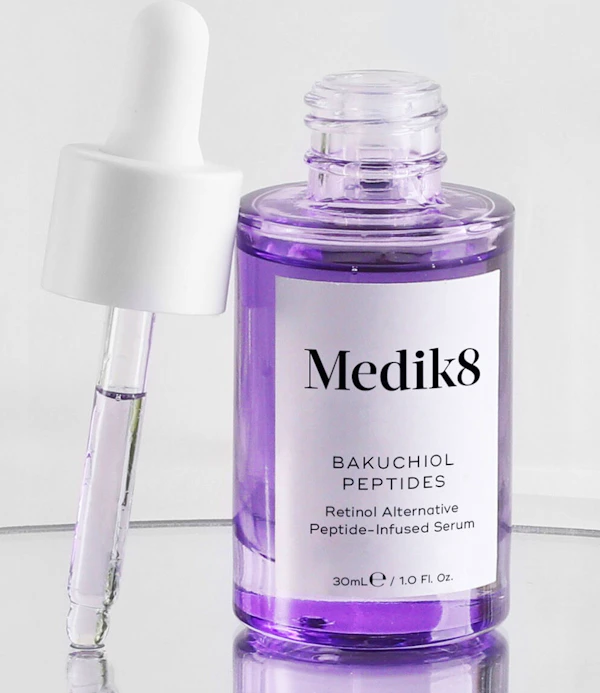
A fragrance-free, vegan-certified serum that combines bakuchiol with peptide precursors and centella asiatica for a genuinely impressive triple hit of anti-ageing, brightening and calming. An ideal swap for anyone who loves Medik8's Crystal Retinal.
Herbivore
Bakuchiol Smoothing Serum, £48
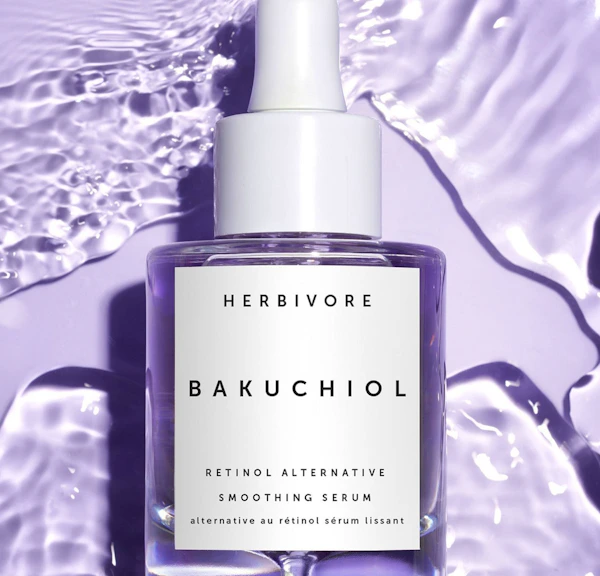
Clean, botanical, and beautifully formulated with aloe vera, blueberry extract and turmeric. Feels as good to apply as it looks on your bathroom shelf.
Dr. Jart
Prejuvenation Firming Bakuchiol Serum, £52
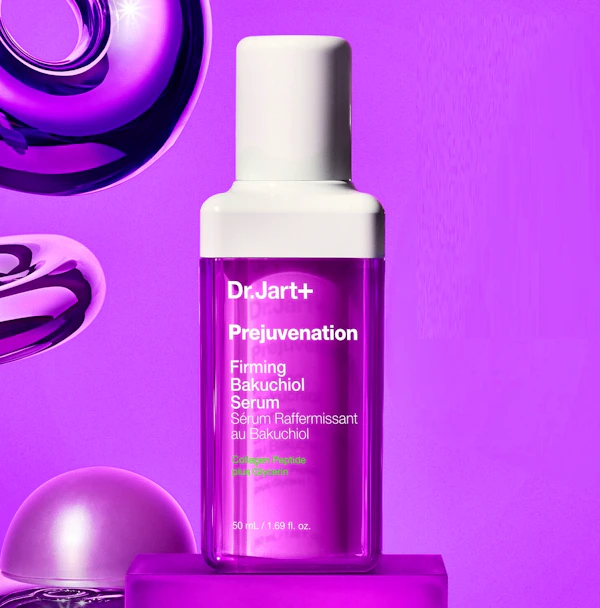
Bringing the K-beauty approach to bakuchiol, this pairs the active with firming technology for noticeably plumper, more lifted skin over time. One of the more results-driven options in the category.
The Inkey List
Bakuchiol Serum, £13
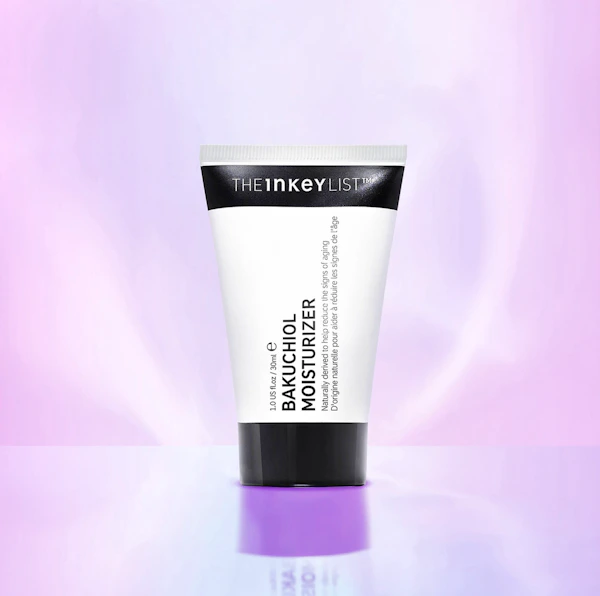
For when you want the results without the price tag. A no-nonsense, well-formulated option that punches considerably above its weight.


