

Teen Edit founder and former Daily Mail Fashion Editor Camilla Ridley-Day has become the go-to on all things teen, including their wellbeing. With three children of her own, she knows which snippets of wellness advice resonate – and those that fall flat.
Here, she shares the small wellness habits, smart self-care buys and grounded mental health advice that she'd follow for her own teens.
How do you approach wellbeing in your own home?
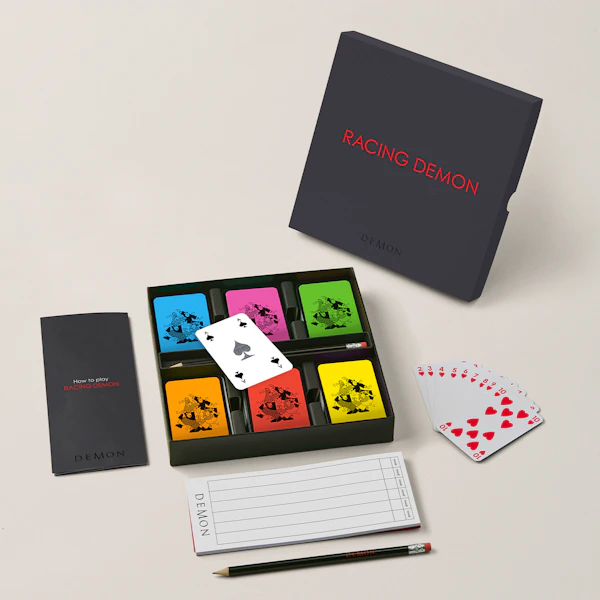
For us, wellbeing at home comes down to active listening, consistency and connection. My family love playing cards or board games; they're great for travel or downtime and importantly, help keep us talking and listening to each other. I find Racing Demon is a particularly good card game for tweens and teens and in winter especially, poker nights with other families are brilliant. We always enjoy playing our favourite boardgame Catan with friends and cousins, and tend to get very competitive. The game teaches essential life, business and strategic skills and is often cited by tech entrepreneurs as the closest board game equivalent to real life entrepreneurship.
Just as games keep everyone talking and connected, so does food. Snacks help teens open up. Sitting down to regular mealtimes together, ideally once a week with no phones at the table, helps keep us all emotionally regulated. It's a small pause in a busy week. While it sometimes means turning down invitations and actively ring-fencing family time, it's always worth it.
Editor's Pick: Racing Demon, Yolky Games, £40
Editor's Pick: Catan, Waterstones, £44.99
The most underrated teen wellbeing habit?
Boredom. Teens need unstructured downtime where nobody is stimulating, scheduling or 'optimising' their time. That's when they process emotions, regulate their mood, let their brains get a moment to settle down and talk naturally – not perform.
Which wellbeing brands do teens respond to?
I prefer to keep wellness low-key and normal rather than a big serious initiative as such. I find this is better and more effective than any big strategy in my home. Nutrition is key. For supplements, I recommend Wild Nutrition and Chirpy Mood Science, two brands that sit at completely different ends of the packaging spectrum and would appeal to different types of teens.
Chirpy Mood Science is bright, playful and instantly appealing to teens. Their blackcurrant Zen gummies with lavender, chamomile, vitamin B6 and B12 support rest and sleep and are brilliant for teens with busy heads that won't switch off.
Editor's Pick: Mood and Zen Bundle, Chirpy, £52

By contrast, Wild Nutrition's supplements look very grown-up and sophisticated. The amber glass jars with minimalist label are ideal to older teens wanting something more 'adult'.
Editor's Pick: Food-Grown Daily Multi Nutrient For Teen Girls, Wild Nutrition, £30

Hydration is an easy, effective wellbeing habit to get right. Teens love branded water bottles like Ocean Bottle which look properly cool and come with an eco feel-good factor.
Editor's Pick: Original Bottle, Ocean Bottle, £35

Advice on teen nutrition?
I always recommend following Christina Potts, a nutritional therapist who specialises in teen wellbeing. As a mum of three, she really understands both the chaos and the food cravings in busy families. Her amazing tips and tricks for getting teen nutrition right is refreshingly realist. I love her relaxed style and informative suggestions, I'm drawing on all her expertise at the moment.
What to buy an anxious teen?
When shopping, think in terms of something soothing, grounding and genuinely useful, not gimmicks or sensory overload. These are some self-care tools I recommend teens.
Gravity blankets help restless teens switch off at bedtime. The deep-pressure weight creates a cocoon-like calm that tells the nervous system to stand down and settles anxious bodies. Oodie's velvety fleece version is like a warm hug.
Editor's Pick: Weighted Blanket, The Oodie, £109

One of the least intimidating ways to help a teen slow down and pause for thought is a five-minute journal. It's surprisingly effective.
Editor's Pick: Teen Journal, Happy Self Journal, £24.90
Aromatherapy sprays with essential oils from Spots & Stripes offer a gentle hit of calm. Even if the benefit is partly psychosomatic, it's still worth a squirt.
Editor's Pick: Sleep Mood Spray, Spots & Stripes
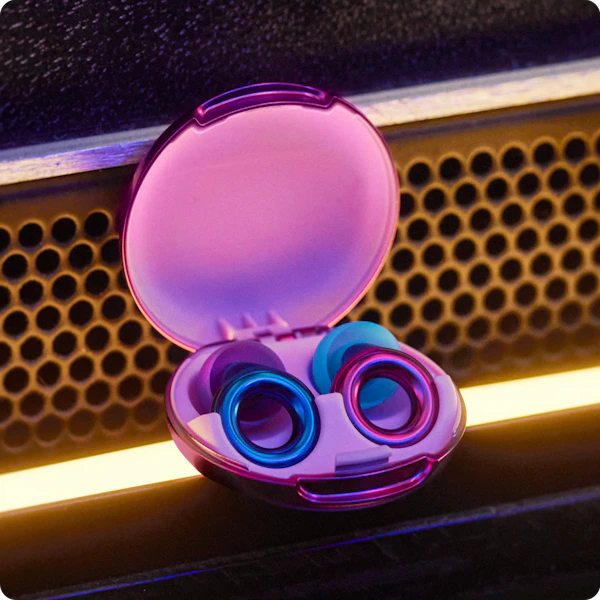
Loop Earplugs are known to take the edge of anxiety, and help with sleep. Their teen appeal is helped along by fans Taylor Swift and Lando Norris – and now Harry Styles' new Loop collab.
Editor's Pick: Harry Styles' Pleasing x Loop Earplugs, £34.95
NeeDohs went viral for a reason. They're squishy, stretchy and endlessly fiddled with. Teens think these sensory toys are just for fun but they're genuinely calming.
TIME – essentially love in action - is the most precious commodity you can give an anxious teen. Admittedly it's not always easy, but finding time is so often what makes the real difference to everyone's wellbeing in the longer term. And for all the wellness gizmos and gadgets on sale, a quiet walk or a chat in the car can be just as beneficial, and far more connecting, than anything you can buy.
When should kids get a smartphones?
There's no magic age for getting a first smartphone. We all now know they come with a heavy responsibility, and that shouldn't be rushed into. Yes, many kids have one by 12, but if yours doesn't genuinely need one, I'd suggest delay getting it and if it all feels too early, hold off from full social media access until 16.
With the news on Monday 15th June of a social media ban for U16s, this conversation is just getting going. Here comes the harder part, many parents are feeling something complicated: relief, uncertainty and perhaps a quiet question we haven't yet been brave enough to ask ourselves– what do we actually do now? The government says this ban is backed by 9 in 10 parents and yes, I am one of them. But backing a ban and knowing how to parent through one are two very different things.
For starters, it means conversations, not lectures. It means filling the space, as parents we need to think about what we're offering in its place not as entertainment, but as genuine alternatives that give teenagers a sense of community and self expression, Finally, it means looking at ourselves. The ban gives us a moment to reset – but only if we're willing to be part of that reset too. I'm looking forward to hearing more on the governement's proposals for legislation and discussing how we navigate this as parents with teens through my platform Teen Edit.
First and foremost, ask the question: is it really the case that 'everyone' at school has a smartphone? It's often less universal than it sounds. Being a teenager doesn't automatically mean a smartphone becomes an essential.
If they need a mobile device for travel or emergencies, you'll find a simple Nokia-style brick phone that entirely avoids the internet and social media works just fine.
Editor's Pick: Nokia 3210 Gold, £69, Amazon

Whatever you do, before making a first smartphone purchase, think through boundaries that work for your family and make a plan upfront. Trusted sources like YoungMinds and the NSPCC's Net Aware offer the latest guidance on social networks, apps, games and online safety.
How to minimise the screentime battles?
The constant urge to check smartphones is powerful for teens and, if we're honest, parents too. To help young brains moderate their screentime use, focus on clear boundaries from day one:
- Use built-in parental controls and Wi-Fi limits from the get-go. It's always easier to relax rules in time, but having to clamp down and tighten limits later is rarely straightforward.
- Don't leave things to chance. If it feels like a minefield, ask someone with older teens for help.
- Keep password access while you're the grown-up in charge. As long as you're responsible for their wellbeing, this isn't an infringement of their privacy. It's part of keeping them safe.
- Introduce a digital curfew to signal the day is closing. Encourage younger teens to hand phones in by 9pm on weeknights. As they mature, rules can be negotiated - but any retrospective limits are likely to create conflict.
- Keep smartphones out of bedrooms at night. Teens may sulk but removing the pressure to be constantly available will protect their emotional and neurological health.
- Charge smartphones in a communal space, like in the kitchen.
- Establish screen-free times like family meals, dog walks, TV evenings and visits to relatives.
- For any of your smartphone boundaries to work, model the behaviour yourself. Put your own phone out of sight and on silent when human connection is needed. Teens notice what we do more than what we say.
- And when those arguments inevitably blow up, be the first to reach out and repair the rift.
Tips for tackling mindless scrolling and social media?
- Don't be a distracted hypocrite. Put your phone down when talking to them. Have eye contact and lead by example.
- Follow them on social media platforms and stay informed.
- Talk to them about what they're watching or doing online.
- Think about their weak spots - TikTok? Gaming? Do not catastrophize. Keep the dialogue open.
- Watch for teens disappearing into their rooms too often, while respecting their need for space.
- Explain that your worries about sending inappropriate photos are about their future selves, not catching them out.
- Encourage them to notice which parts of the internet make them feel better, not worse.
Who gives the best advice on teens, phones and feelings?
When it comes to teen mental health, Dr Willough Jenkins is the psychiatrist expert that parents can rely on. She breaks down the big teen worries – sleep struggles, social media, friendship dramas, school pressure – and gives calm, practical advice. Her Instagram is sensible, and her free online guides Teen Parenting Guidebook and Summer Bucket List genuinely useful.
Follow on Instagram @theteeneditguide
Teen Mental Health
How can parents support a teen's emotional wellbeing at home?
The smallest rituals often make the biggest difference – shared meals, low-pressure chats in the car, card games that keep everyone talking. Teens don't need grand gestures. They need consistency, connection and a calm home.
How do you build healthy screen-time habits for teenagers?
Start early with shared rules, stay steady and model the behaviour yourself. Phones out of bedrooms, digital curfews, communal charging spots and clear boundaries around social media all protect a teen's emotional and neurological health.
What are the early signs a teenager is feeling overwhelmed?
Look for subtle shifts like withdrawing to their room more often, irritability that feels out of character, disrupted sleep or a sudden drop in appetite or motivation. If concerned, gentle curiosity will go further than critical interrogation.
How can parents improve a teenager's nutrition without daily battles?
Health eating lands best when it feels normal, not nagging. Keep the fridge stocked with easy wins like protein, fruit, grab-and-go snacks. Talk about food as fuel rather than a moral issue.