
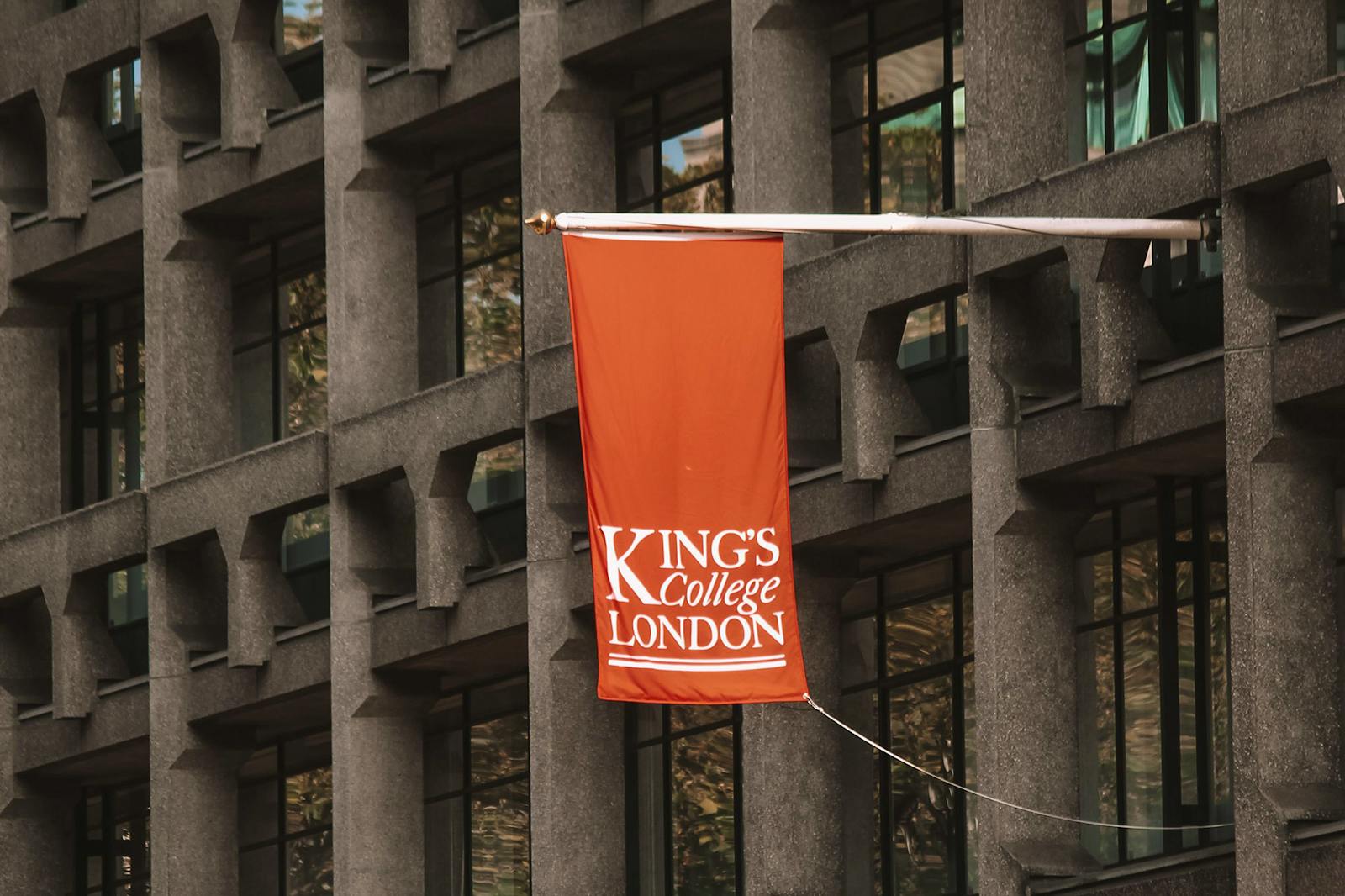
1. How Does the UK Higher Education System Work?
The UK higher education system offers undergraduate, postgraduate, and doctoral qualifications with different study durations. Most undergraduate degrees take three years in England, Wales, and Northern Ireland. In Scotland, they usually take four years. Many full-time master's degrees can be completed in one year.
Teaching combines lectures, seminars, group projects, and independent research. Students are expected to manage their schedules and complete assignments without constant supervision. Assessment methods include written examinations, coursework, presentations, and practical projects.
Undergraduate applicants usually apply through UCAS, while postgraduate candidates often submit applications directly to universities. UCAS allows students to select up to five course choices. Applications require academic information, a personal statement, and a reference. For most undergraduate courses starting in 2027, the equal consideration deadline is 13 January 2027. Oxford, Cambridge, and most medicine, dentistry, and veterinary courses have an earlier deadline of 15 October 2026.
2. What Should Students Prepare Before Moving to the UK?
Preparing for university life in the UK starts well before your flight. Students should organise essential documents, confirm accommodation, and plan how to travel from the airport to their new home. Keep your passport, visa decision, university offer, and tenancy details somewhere safe, with digital copies stored securely. Academic preparation matters too: review your course information, check any reading lists, and become familiar with the university’s online learning system. Applicants who want to strengthen their written communication can use the model essays and writing resource; a college essay writer may also help explain how to organise ideas, build a clear argument, and present evidence. It is also useful to practice everyday English, especially phrases used in shops, public transport, and university settings. Before leaving, check what you can bring through UK border control, particularly prescription medicines, and carry medication in its original packaging with relevant documentation.
Make a simple arrival plan that includes your accommodation address, local transport options, and an emergency contact. Once you arrive, register with a local GP when eligible, attend university orientation, and ask about student support services. Joining societies, sports clubs, or international student groups can help you meet people and feel settled. Finally, prepare a realistic first-month budget for food, transport, phone costs, and study materials. A little organisation before departure can make the first weeks less stressful and leave more time to focus on your studies. Save important phone numbers offline.
3. What English Language and Visa Requirements Should International Students Meet?
International students generally need proof of English proficiency and a valid Student visa to study in the UK. The required language level depends on the course. For degree-level studies, the usual immigration requirement is CEFR B2. Courses below degree level generally require B1.
Universities can set higher language standards for particular programmes. Some higher education providers can assess English proficiency themselves. Others require an approved Secure English Language Test. Check the university's requirements before booking an examination.
Most international students taking eligible full-time courses lasting more than six months need a Student visa. Applicants must first receive an offer from a licensed student sponsor. The university then provides a Confirmation of Acceptance for Studies (CAS), which is required for the application.
The Student visa application fee is £558 as of November 2026. Applicants must also pay the Immigration Health Surcharge, currently £776 per year for students. Financial evidence is another important requirement. Students generally need to show enough money for unpaid tuition and living expenses. The current maintenance requirement is £1,529 monthly in London or £1,171 elsewhere, for up to nine months. These funds usually must be held for 28 consecutive days.
4. How Much Does It Cost to Study and Live in the UK?
The total cost of studying in the UK depends on the university, degree programme, and city. International undergraduate tuition fees generally range from £11,400 to £38,000 per year. Postgraduate programmes typically cost between £9,000 and £30,000 annually.
Living expenses also require careful planning. According to the British Council, international students should budget approximately £1,300–£1,400 monthly in London. In other parts of the UK, the estimated range is £900–£1,300.
These expenses usually cover accommodation, household bills, groceries, and everyday activities. Students should also consider transport, course materials, mobile phone plans, and personal expenses. Unexpected costs, such as replacing a laptop or travelling home, can increase the budget.
Scholarships and university financial support may help reduce tuition expenses. Some institutions offer awards specifically for international applicants. Research available funding opportunities before accepting an offer. Compare tuition fees and living costs across different cities to find a realistic option.
5. What Accommodation Options Are Available for International Students?
International students can choose university halls, private rental properties, or homestays. Each option offers different benefits, costs, and levels of independence.
University accommodation is often a convenient choice for first-year students. Halls provide opportunities to meet classmates and become familiar with campus life. Some options include utility bills, internet access, and shared facilities in the rent.
Private accommodation gives students more control over their living arrangements. However, renting a flat or room requires additional planning. Check tenancy agreements, deposit conditions, utility costs, and rental periods before signing anything.
A homestay offers another option for students who prefer living with a local family. It can provide regular opportunities to practise English and experience British culture.
Start searching as soon as you receive an admission offer. University accommodation can become limited, especially in popular student cities. Contact the university's accommodation office to understand available options and booking procedures.
6. Can International Students Work During and After Their Studies?
International students can work in the UK while studying, but their visa conditions set limits. The number of permitted hours depends on the course level and education provider. Students taking a full-time degree-level course at a qualifying higher education provider can usually work up to 20 hours per week during term time. Students on certain below-degree courses may work up to 10 hours weekly, while some study routes do not allow employment. Before accepting a job, check your visa conditions and confirm your university’s term dates.
Managing a part-time job alongside lectures and assignments requires careful planning. History modules, for example, may involve extensive reading, source analysis, and written coursework. When deadlines become challenging, students might search to write my history essay for me while exploring academic writing support. Use outside resources responsibly: check your institution’s academic integrity rules and ensure submitted work reflects your own research and ideas. Student visa holders are generally not allowed to be self-employed or run a business.
After completing an eligible course, graduates may apply for a Graduate visa from inside the UK once their university has reported successful completion to the Home Office. Applications made by 31 December 2026 can provide two years of permission; applications from 1 January 2027 provide 18 months. Doctoral graduates can receive three years. The Graduate route cannot be extended, although switching to another visa, such as the Skilled Worker route, may be possible. Check the Student visa work conditions and Graduate visa rules before making employment plans.
7. What Healthcare Can International Students Access in the UK?
International students who pay the Immigration Health Surcharge can generally access NHS healthcare during their eligible visa period. This allows them to use many healthcare services on a similar basis to UK residents.
After arriving, students should register with a local General Practitioner (GP). A GP provides routine medical advice, prescriptions, and referrals to specialists when necessary. Registration is especially important for people who need regular medical support.
However, not every NHS service is free. Prescription charges, dental treatment, and some eye care services may require additional payments in England. Costs and arrangements can differ across the four UK nations.
Students should also bring information about existing prescriptions and check whether their medication is permitted in the UK. University support teams can explain how to access local medical services and available student wellbeing resources.
Final Thoughts
Studying in the UK involves more than choosing a university and programme. Students should understand admission procedures, visa conditions, financial responsibilities, accommodation, and healthcare before moving. Early preparation helps make the transition smoother and allows international students to focus on their education and enjoy their experience abroad.