
Of course, finding compelling reasons as to why we do is easy (reductions, limited stock, a hard week, nothing to wear, despite considerable evidence to the contrary). And indeed, there is considerable pleasure in finding something beautiful, useful or just delightful – particularly when it turns out to be something we use for years. The trick is sorting those brilliant purchases from the ones that arrive in a flurry of anticipation and are guiltily forgotten about three weeks later. Before reaching for your card, try asking yourself these.
Would I Buy It If It Weren’t On Sale?

Perhaps the most useful question of the lot. A £200 coat reduced to £100 feels like a £100 saving. If you didn’t love the coat or indeed need it, however, it is simply £100 spent. Sales create urgency brilliantly, thanks chiefly to alarming messages informing us that six other people currently have our prospective purchase in their baskets. Ignore the saving for a moment and look at the thing itself. Would you still want it at full price? More importantly, would you want it if you had never seen the original price at all?
Do I Already Own Something That Does The Same Job?

Before buying another black dress, white shirt, vase, lipstick or frying pan, have a mental rummage through what you already own. Better still, have an actual rummage. Shopping our own wardrobes and cupboards can be surprisingly revealing, particularly when we discover an almost identical object we had entirely forgotten purchasing. Of course, there are things worth owning in multiples. But knowing that this is your fifth striped jumper is useful information before buying your sixth.
Can I Think Of Three Ways I’ll Use Or Wear It?
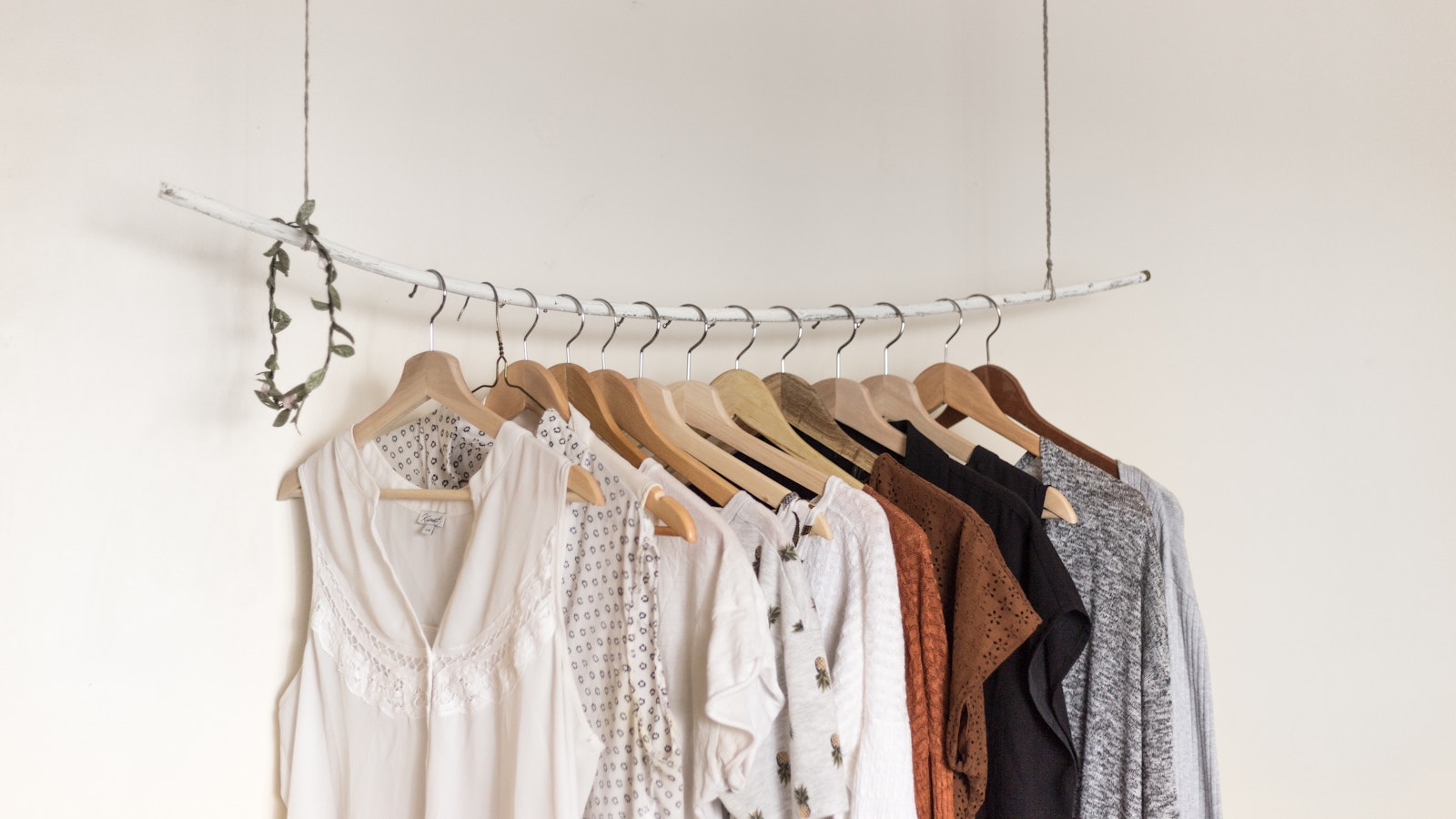
Can you immediately picture three outfits using things already in your wardrobe? Three occasions on which you would realistically wear it? If the answer involves purchasing different shoes and magically being invited to more cocktail parties, it may not be quite the wardrobe workhorse you were looking for. And the same principle of course works elsewhere. Where exactly will that chair go? When will you use the elaborate kitchen gadget?
Would I Still Want It Tomorrow?

The 24-hour rule is old advice because it works. The initial rush of wanting something can be surprisingly short-lived. If you're still thinking about it the following day, reconsider it then. For more expensive purchases, stretch the pause to a week or even a month. And if it sells out in the meantime? Occasionally annoying, certainly. But there will, we promise, be other trousers.
What's The Cost Per Use?

A £300 coat worn 100 times costs £3 a wear. A £40 sequinned top worn once costs £40. Cheap and expensive are not always quite what they seem. Cost per wear – or cost per use – is especially helpful when deciding whether to spend more on something. Shoes, coats, bags, bedding, pans and furniture can all justify a higher initial price if they are well made and likely to be used repeatedly. Conversely, a bargain isn't much of a bargain if it spends its life in a cupboard.
Where Will I Put It?

It’s pretty obvious, but everything we buy has to live somewhere. If your cupboards are already full, the question isn't really whether you like an object but whether you like it enough to give it some of your finite space. This is especially useful for homeware, children's things, books and beauty products – categories in which one charming little purchase mysteriously mushrooms into 47 charming little purchases.
Could I Buy It Second-Hand – Or Borrow It?
For furniture, designer fashion, children's kit, books and plenty else besides, second-hand is often cheaper and sometimes considerably more interesting. Meanwhile, things required once or twice a year – drills, carpet cleaners, camping equipment, enormous serving platters – may be better borrowed or hired.
Am I Buying The Thing – Or The Feeling?

Sometimes what we want isn't really a candle, notebook, dress or new set of glasses. We want the tiny hit of optimism that accompanies acquiring it – whether that’s the feeling of a fresh start, a treat after a miserable day or the promise that our home/life/self is about to become fractionally more polished. There is nothing wrong with buying something simply because it makes us happy. But it helps to know that's what we're doing.
If, after all these questions, you still want it? Buy the thing – and enjoy it.
FAQs: Questions To Ask Before A Purchase
What should I ask myself before buying something?
Start by asking whether you genuinely need or love it, whether you already own something similar, how often you are likely to use it and where it will live. It can also help to consider whether you would still want it if it weren’t reduced.
What is the 24-hour rule for shopping?
The 24-hour rule means waiting a full day before making a non-essential purchase. The pause gives the initial excitement time to wear off and can help distinguish something you genuinely want from an impulse buy.
How do I stop impulse buying?
Try introducing a waiting period, avoiding saved card details and checking what you already own before purchasing. For clothes, imagining at least three realistic outfits using pieces already in your wardrobe can be particularly useful.
How do you calculate cost per wear?
Divide the price of an item by the number of times you expect to wear it. A £300 coat worn 100 times, for example, costs £3 per wear, while a £40 top worn once costs £40 per wear.
Is buying more expensive items actually better value?
Not necessarily. A more expensive item can represent better value if it is well made and used frequently, but price alone is no guarantee of longevity. Cost per use, quality and how well something fits your existing life are more useful measures.
How can I tell if something is worth buying in the sale?
Ignore the original price for a moment and consider the item on its own merits. If you would never have considered buying it without the discount, the saving may be encouraging you to spend rather than actually saving you money.