

Thankfully, if you are still on the fence, there are ways to make a house feel noticeably warmer without touching the thermostat, many of them reasonably simple, such as locking the draughts that creep beneath doors; making better use of curtains, rugs; and even harnessing the sunshine. We’ve rounded up twelve practical ways to keep the chill at bay – and the heating bills in check.
Find Those Sneaky Draughts

You'd be surprised how much cold air can find its way into a house through the smallest of gaps. We're talking letterboxes, keyholes, skirting boards, floorboards and the space beneath your front door. On a windy day, carefully feel around windows and doors for telltale draughts, or use a piece of tissue to detect moving air. Self-adhesive draught-proofing strips are inexpensive and relatively easy to fit, while a handsome fabric draught excluder (we like this one, £35, from Garden Trading) can make short work of a gap beneath a door. Just be careful not to block essential ventilation, particularly around fireplaces and fuel-burning appliances.
Put Your Curtains To Work

Curtains aren't merely there to look pretty (though, at their best, they do that job pretty bonnily too). A good, heavy pair can provide an extra barrier between your room and the cold glass beyond, particularly if you live in an older house with single-glazed windows. Thermal linings are especially useful, and can often be added to existing curtains rather than requiring a whole new set. The trick is to close them as soon as dusk falls, before the temperature really starts to drop. Make sure they fit well and, if you have radiators beneath your windows, don't let the curtains hang over them when the heating is on. We especially like the ticking striped version from Etsy, from £245.
Give Your Windows A Second Layer
Replacing single-glazed windows with double glazing is hardly a small undertaking, particularly if you live in a period property. Happily, there are cheaper alternatives. Temporary secondary glazing film, which is fitted to the inside of a window frame and tightened using a hairdryer, creates an additional insulating layer of air. It won't offer the same performance as properly installed secondary glazing, but it can reduce heat loss through the glass and help with draughts. It's also relatively unobtrusive and can be removed when warmer weather returns. Dunelm stocks it for just £10.
Don't Forget The Chimney

An open fireplace is a lovely thing, but when it's not in use, the chimney can provide a pretty efficient escape route for warm air. If yours is purely decorative, a purpose-made chimney balloon or draught blocker, such as this one, from £22, from Chimney Sheep, may help reduce heat loss. These must be suitable for the fireplace and removed before a fire is lit; some are designed to deflate automatically if accidentally exposed to heat. A caveat: never block a chimney or vent needed for an appliance, and seek professional advice if you're unsure.
Let The Sunshine In

It might not feel especially powerful in November, but winter sunshine is still free heat, and it would be a shame not to make the most of it. Open curtains and blinds on sunny windows during the day, particularly those facing south, to allow the sun to warm the room. Once the light begins to fade, close them again to help retain that warmth. A small thing, admittedly, but one that costs nothing.
Roll Out The Rugs

If you have bare floorboards, stone or tiles, you'll know just how unpleasantly cold they can feel underfoot when the mercury plummets. Rugs won't magically heat a room, but they do provide a layer of insulation between your feet and the floor, making a noticeable difference to comfort. Wool is particularly good, thanks to its natural insulating properties, and a thick rug with a suitable underlay is a welcome addition to a draughty sitting room or bedroom. Better still, it provides an excellent excuse to invest in something beautiful, such as this handwoven wool and jute number from Etsy, from £48.58.
Move The Furniture Around
If your favourite armchair sits directly against a freezing external wall, or your sofa blocks a radiator, a little rearranging may be in order. Moving seating away from particularly cold walls and windows can make you feel more comfortable, even without changing the temperature of the room. And if you do use your heating occasionally, make sure radiators aren't hidden behind enormous sofas or other furniture that prevents warmth from circulating properly.
Shut The Doors

One of the simplest tricks of all is to close internal doors, particularly those leading to chilly hallways, stairwells and rooms you aren't using. This can help reduce the movement of warm air into colder parts of the house, making the rooms you actually occupy feel more comfortable. It's especially worth doing in older houses, where draughty corridors sometimes feel like they have their own microclimates. Keep any doors and vents needed for safe ventilation unobstructed.
Consider Thermal Blinds
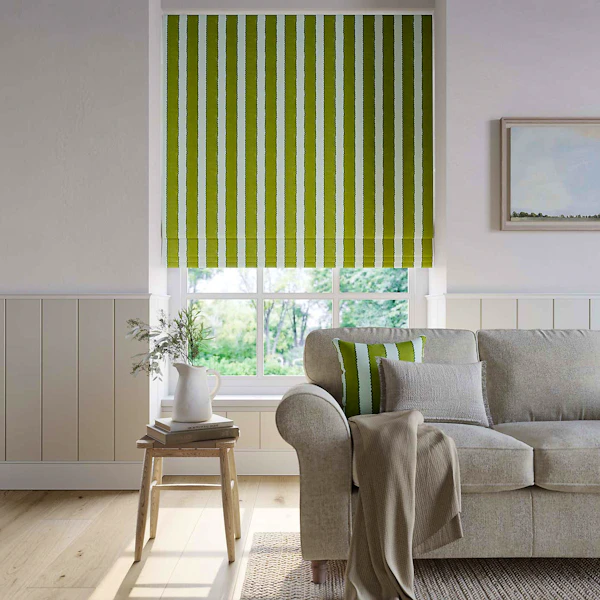
Not every window lends itself to curtains. Thermal blinds can be a useful alternative, with honeycomb or cellular designs trapping air within their structure to help reduce heat transfer. A close fit is important, so measure carefully and look for designs that sit snugly within the window recess. They're especially useful for chilly bedrooms and bay windows, where a great deal of glass can make itself felt on a cold night. We like the fresh-looking Emily Bond Gabriel Made to Measure Roman Blind, from £95.
Check Your Loft Hatch
We tend to think about insulating the loft itself, but the hatch that provides access to it is easily overlooked. If it isn't properly sealed, warm air can escape through the gaps around its edges into the cold roof space. Self-adhesive draught-proofing strips and a suitable insulated hatch can help. If your loft insulation is inadequate, improving it is one of the more substantial measures worth considering, although it does involve an upfront cost. Just be sure not to obstruct the roof ventilation.
Mind The Gaps Between Floorboards

Original wooden floorboards have bags of character, but the gaps between them can allow cold air to creep up from beneath the floor. Flexible gap fillers designed specifically for floorboards can help reduce draughts while accommodating the natural movement of the wood. For suspended timber floors, it's important not to block the ventilation beneath the floor itself, which helps prevent moisture problems. A little attention to the gaps can make a surprising difference, especially in Victorian houses.
Don't Seal The House Up Completely
It may sound counterintuitive, but a warmer home isn't necessarily one in which every last breath of fresh air has been excluded. Cooking, showering and drying laundry indoors all create moisture, which can lead to condensation and mould if it has nowhere to escape. Use extractor fans where provided, keep trickle vents open where needed and ventilate rooms appropriately. Draught-proofing is about stopping unwanted air leakage, not eliminating ventilation altogether. And remember that while these measures can help retain heat, they can't replace heating entirely during prolonged cold spells.
How To Keep The House Warmer In Winter
How can I make my house warmer without using central heating?
Start by reducing unwanted draughts around doors, windows and floorboards. Heavy curtains, well-fitting blinds and rugs can all help make rooms more comfortable, while opening curtains on sunny days and closing them at dusk can help you make better use of natural warmth. These measures reduce heat loss or improve comfort, rather than generating heat themselves.
Do thermal curtains really keep the heat in?
Yes. Thermal curtains provide an additional insulating barrier at windows, helping to reduce heat loss, especially where glazing is older or poorly insulated. They're most effective when they fit well and are closed before temperatures drop in the evening.
How can I stop cold air coming through my windows?
Check for gaps around the frames and use suitable draught-proofing strips or sealant where appropriate. Temporary secondary glazing film can also help reduce heat loss through single-glazed windows. If your windows are particularly draughty, professionally fitted secondary glazing may be worth considering.
Do rugs actually make a room warmer?
Rugs primarily make a room feel warmer by insulating your feet from cold floors. Thick wool rugs and suitable underlays are particularly useful on bare floorboards, stone and tiles, although they won't significantly increase the room's air temperature.
How can I keep a Victorian house warm?
Victorian houses often have suspended timber floors, single-glazed sash windows, open fireplaces and plenty of draughts. Draught-proofing, heavy curtains, rugs, secondary glazing and appropriate loft insulation can all help, while preserving original features. Be careful to maintain essential ventilation, particularly beneath suspended floors and around fireplaces.
Is it safe to leave the heating off all winter?
Not necessarily. During prolonged cold weather, a home can become too cold even with good insulation and draught-proofing. The NHS recommends heating rooms you regularly use to at least 18°C, particularly if you're older, have reduced mobility or have a health condition. Preventing damp and condensation is important, too. The aim should be to use heating more efficiently, rather than avoid it at the expense of health and comfort.