

Dahlia Care
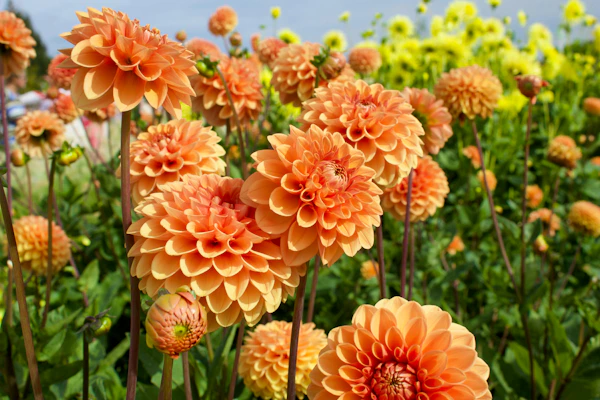
Dahlias tend to bloom up until the first hard frost in October. This means you can deadhead dahlias this month to encourage one last flush of blooms. Many types of dahlias will bloom through October, so removing spent flowers can encourage the plant’s energy to go towards opening the last buds. To deadhead, look for spent blooms and seed heads (they’re similar to buds but elongated). Follow the stem down to where it joins the main stem and make a clean cut.
Plant Bulbs

Spring bulbs can be planted in pots or in your flower borders throughout autumn. Daffodils, hyacinths and crocuses are best planted before the end of September when the soil is still warm. October and November are good times to plant your tulips. Bulbs of tulips, crocuses and daffodils can be planted in pots or your flower borders. If you have a large area of grass try planting crocus bulbs in drifts for a vibrant colour show in early spring. If you’re planting in pots, use a peat-free compost and really pack your bulbs in for a great display – you can even layer them up for a succession of colour.
Rakery

The beauty of raking in autumn is that you can kill two birds with one stone; you can remove fallen leaves from your lawn and scarify at the same time. Pull the rake along the grass, pressing down firmly in one direction all over the lawn, turn around 90 degrees, and then do it again. You remove all the dead bits of grass and moss and leaves – all the stuff that’s preventing light, air and water from accessing the roots of the grass.
Make Your Leafmould

Leafmould is formed from decaying leaves and is an invaluable, not to mention free, soil conditioner. Making leafmould is a great way to recycle what might otherwise be garden waste into a form of organic matter that’s perfect for mulching. The best leafmould is produced from the leaves of oak, beech or hornbeam.
Get Mulching

Mulching improves the condition of your soil, suppresses weeds as we head into rainier seasons (and retains water in dryer ones), and protects roots – so many wins. Don’t be shy, 5 to 8cm (2 to 3in) of mulch needs to go around all the beds, but just be careful not to smother small plants or heap against the stems of larger ones.
Harvest Fruit

October is a month ripe with delicious home-grown fruit and veg to harvest (including apples, carrots, tomatoes, beetroot and pumpkins). It’s also a good idea to harvest tender crops before the first frosts, as you may lose them to this. Don’t worry if you have a glut – there are many easy ways to preserve your harvests.
Six Essential Gardening Jobs To Do In October
What are the most important gardening jobs to do in October?
October is an important month for preparing your garden for winter and getting ahead for spring. Essential autumn gardening jobs include clearing fallen leaves, scarifying lawns, planting spring-flowering bulbs, mulching flower beds, deadheading dahlias and harvesting the last of your home-grown fruit and vegetables.
What bulbs should I plant in October in the UK?
October is an excellent time to plant spring-flowering bulbs, particularly tulips, crocuses, alliums and hyacinths. Tulips can be planted throughout October and November, while daffodils are ideally planted earlier in autumn but can still be planted in October. Plant bulbs in borders, pots or naturalised drifts through lawns for a beautiful spring display.
Should I cut back dahlias in October?
Dahlias can continue flowering well into October, so keep deadheading spent blooms to encourage the remaining buds to open. Once the first hard frost has blackened the foliage, cut back the stems. In colder or wetter parts of the UK, dahlia tubers can then be lifted and stored somewhere cool, dry and frost-free over winter.
Is October a good time to scarify your lawn?
Early October can be a good time to scarify your lawn, provided the grass is still growing and the ground isn't waterlogged or frozen. Scarifying removes moss, thatch and dead grass, allowing air, water and nutrients to reach the roots. Avoid aggressive scarifying later in autumn when grass growth slows and recovery becomes more difficult.
How do you make leafmould from autumn leaves?
Making leafmould is one of the easiest and most sustainable autumn gardening jobs. Simply collect fallen leaves, place them in a wire cage or perforated bin bag, moisten them if dry and leave them to decompose. Leaves from oak, beech and hornbeam make particularly good leafmould, which can be used as a natural soil conditioner or mulch once sufficiently broken down.
Should you mulch your garden in October?
October is an excellent time to mulch garden borders. Applying a 5–8cm layer of well-rotted organic matter, such as garden compost or leafmould, helps improve soil structure, suppress weeds and protect plant roots from winter temperature fluctuations. Keep mulch clear of plant stems and crowns to prevent rotting.
What fruit and vegetables can you harvest in October in the UK?
October is a productive month in the kitchen garden. Depending on the weather and varieties grown, apples, pears, pumpkins, carrots, beetroot and late tomatoes may all be ready to harvest. Pick tender crops before the first frost and consider preserving any surplus by freezing, bottling or making chutneys and jams.