
After months of root vegetables and heavy stews, the dishes sharpen. Peppery leaves, blush-pink stems and tender greens arrive courtesy of Mother Nature. These spring ingredients do not linger and can be rather high maintenance. Wild garlic will not wait. Broad beans test one’s patience. Rhubarb sulks quickly. They are fleeting, certainly, and all the more delicious for it.
From the first cut of British asparagus to a fistful of foraged wild garlic leaves, there are a few spring ingredients chefs anticipate with real impatience. Here are five of them. Cook them while you can. By summer, they will be gone – and that, of course, is the point.
Watercress
Watercress and Horseradish Chicken by Lucinda Miller

Often dismissed as a token garnish on the plate, watercress comes into its own from April to September. The faintly wild leaf has a mustardy heat which enlivens salads, sharpens soups and wilts brilliantly into melted butter. Nutritional therapist Lucinda Miller stirs it through her one-pot chicken dish with sweet leeks and fresh horseradish, where its peppery flavour cuts through the richness. Robust, iron-rich and unapologetically green and seasonal, this is a recipe that Lucinda returns to each spring for family and friends.
Wild Garlic
Wild Garlic Pesto by Jamie Oliver

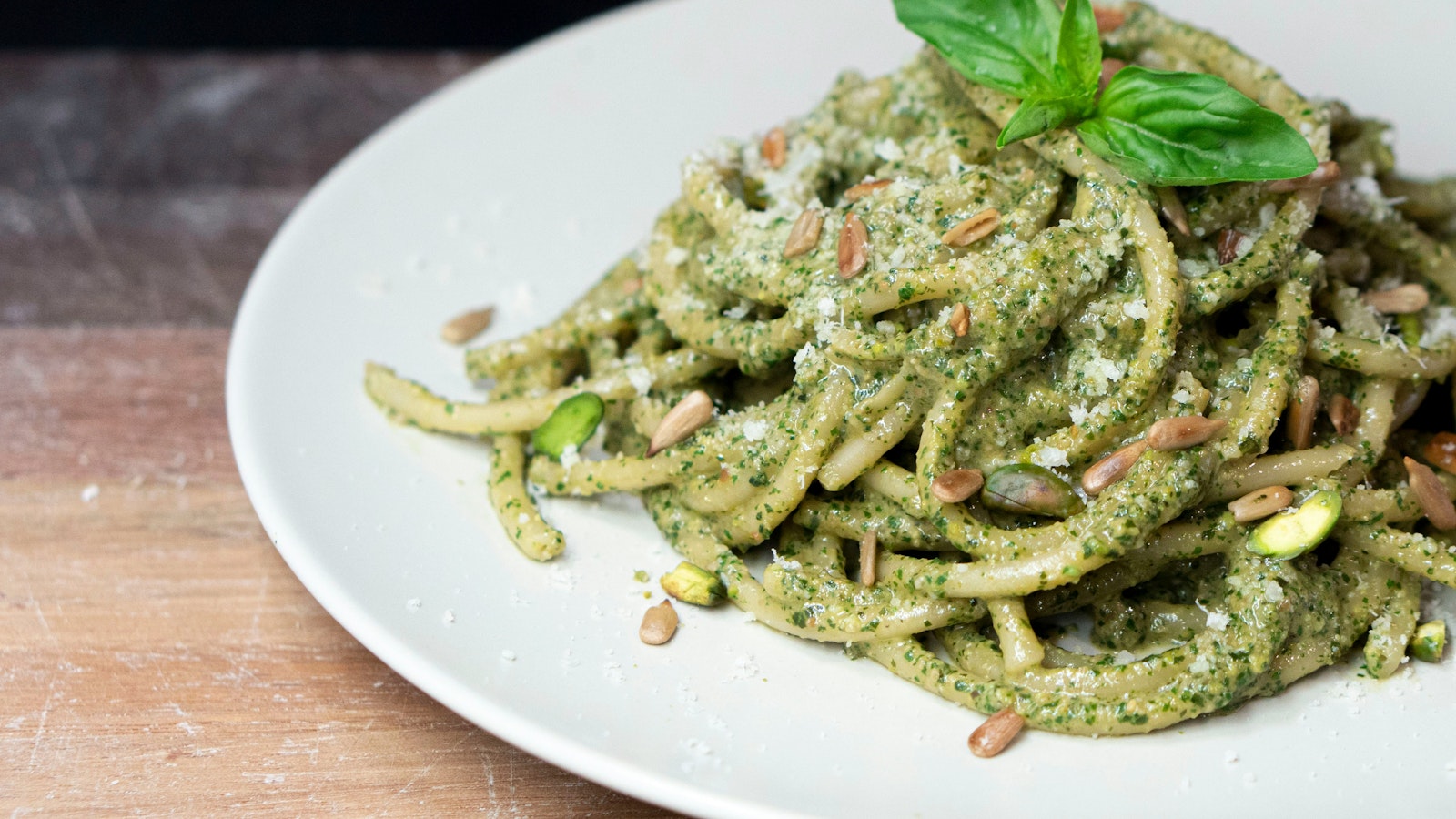
There is something faintly thrilling about the first sighting of wild garlic carpeting woodland floors in March. It’s welcome arrival signals that winter is over. Softer than bulb garlic, wild garlic carries all the flavour and fragrance, with none of the aggression. Jamie Oliver turns the green leaves into a vivid pesto – blitzed with olive oil, nuts and parmesan – to spoon over new potatoes, slide beneath a roast chicken’s skin or stir through brothy beans and pastas. It’s one of those recipes that works hard, keeps well and signals a cook who knows the seasons.
Asparagus
Asparagus Tart by Mark Hix

As you may have noticed, the fleeting British asparagus season – running from April through to June - inspires a level of near hysteria. As with many of these seasonal vegetables, its brevity is its charm. Here, Mark Hix lays the green spears over crisp pastry in a savoury tart, serving it with shavings of Parmesan or a spoonful of hollandaise. This versatile recipe works as a starter, a slow lunch or cut into neat squares and passed around over drinks. Minimal effort, maximum effect.
Broad Beans
Pappardelle with Shaved Asparagus, Broad Beans and Pea Purée by Geoffrey Smeddle

Phew. Broad beans demand patience. They must be podded, often double-peeled and handled with care. Yet this short-lived, faintly high maintenance ingredient is more than worthy of such attention. Its unique flavour - somewhere between fresh pea and sweet almond – is delicate, buttery and unmistakably of spring. In Geoffrey Smeddle’s pappardelle, earthy broad beans are tossed in with fresh asparagus and herbs for a delicious alternative to risotto.
Rhubarb
Rhubarb Crumble with Pistachio Topping by Carole Bamford

Forced rhubarb, grown in darkness and producing blush-pink stalks, must be one of the most civilised ways to mark the change of seasons. Its vivid colour is optimistic, its sharp flavour bracing. Carole Bamford’s dish mixes rhubarb with blood oranges and orchard apples beneath a rather grown-up pistachio crumble. Best served warm with crème fraiche. Or if you’re feeling particularly indulgent, eat it with thick Greek yoghurt at breakfast.