
You’ve probably already eaten a few fermented foods without thinking of them that way. Yoghurt, sauerkraut and sourdough bread all fall into this category, alongside less familiar options such as kefir, miso and kimchi. What matters isn’t trying everything at once, but finding a few that fit naturally into your week.
This guide walks through practical ways to bring more fermented foods into your routine, starting with the familiar and building towards small, repeatable habits.
Learn What Makes a Food Fermented
Fermentation happens when good bacteria or yeasts break down the sugars in a food and turn them into acids, gases or alcohols. That process changes the food’s flavour and texture and helps it keep for longer. Yoghurt, made by fermenting milk, gets its familiar tang this way.
Fermented foods and probiotics are often talked about together, which can make it easy to assume they’re the same thing, but they’re not quite. Fermented foods are made using microorganisms as part of the fermentation process, but not every fermented food is probiotic. Some may no longer contain live bacteria by the time you eat them, while probiotics refer to specific live microorganisms with demonstrated health benefits when consumed in adequate amounts.
For example, some shop-bought kimchi and sauerkraut are pasteurised for shelf life, meaning the fermentation has taken place but the cultures are no longer active. If live cultures are what you’re after, check the label for wording such as “friendly bacteria”, “live” or “active cultures”, and look in the chiller cabinet rather than on the ambient shelf.
Start With the Familiar Ones
If you’re new to fermented foods, there’s no need to start with anything unusual. Live yoghurt, kefir and aged cheeses are approachable entry points, and most of us already have at least one of them in the fridge. When buying yoghurt, look for “live” or “bio” on the label, and keep an eye on sugar content too.
If you’re particularly interested in probiotics, look at the specific bacteria a product contains rather than assuming all fermented products are the same. Each bottle of Yakult Balance contains 20 billion friendly L. casei Shirota bacteria, which increases the lactobacilli and bifidobacteria in the gut. It’s also a lighter option, with less sugar and fewer calories, and is rich in vitamin D, which supports immunity, muscle and bone health.
It’s a small shot that makes it easy to slot into breakfast or reach for during a mid-morning break. But if you prefer something fruity, Yakult Plus Peach is another option and is rich in vitamin C. Ultimately, the choice can come down to what suits your day and your tastebuds.
Branch Out Into Vegetables and Condiments
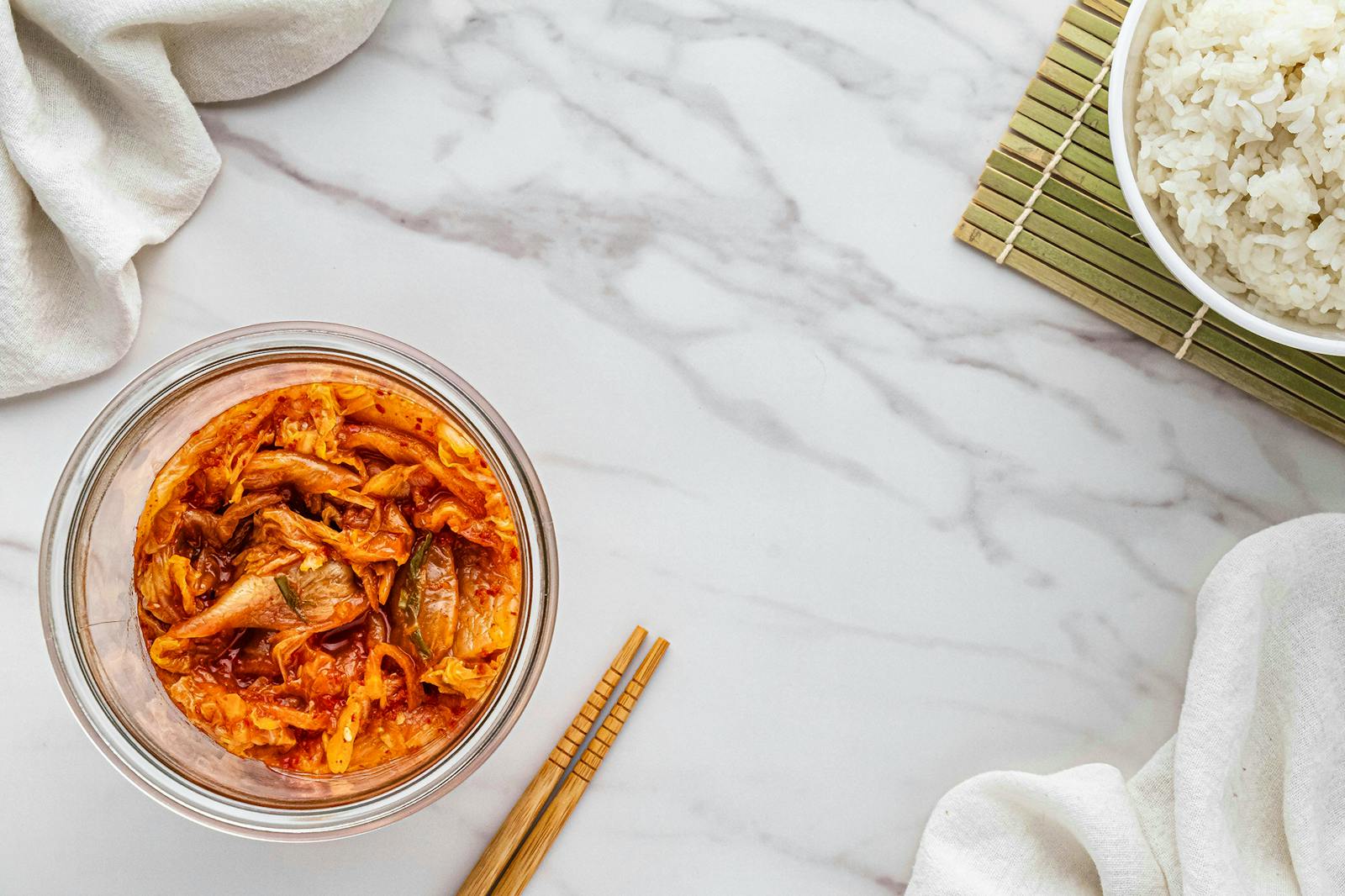
Once yoghurt and fermented drinks feel like a settled habit, kimchi, sauerkraut and miso are good next steps. Kimchi is a Korean fermented vegetable dish, usually made with napa cabbage or Korean radish and seasoned with ginger, garlic and chilli. Sauerkraut is fermented cabbage, and both rely on lactic-acid-producing bacteria, which create the acidic conditions that help preserve the food.
These foods work well stirred through something you’re already eating. Try a spoonful of miso paste dissolved into soup, a few forkfuls of kimchi alongside eggs or rice, or a handful of sauerkraut tucked into a sandwich.
Remember that high temperatures can reduce or destroy live bacteria. If that’s what you’re looking for, enjoying foods such as kimchi or sauerkraut cold or at room temperature avoids exposing those cultures to high temperatures.
Build a Simple Weekly Habit
Rather than overhauling your diet overnight, think in small, repeatable steps. Add fermented foods to meals you already enjoy: a probiotic drink around breakfast time, kimchi alongside rice or eggs, or miso stirred into a dressing or soup. Making them part of familiar meals can be easier than creating an entirely new routine.
Consistency matters more than quantity on any single day. If you want fermented foods to become a regular part of your diet, consistency can be easier to maintain than making big changes all at once.
Treat fermented foods as one part of a varied diet rather than a single fix. They sit best alongside plenty of fruit, vegetables, wholegrains and pulses.
Fermenting at home? Follow Trusted Instructions
Making your own sauerkraut or kimchi can be satisfying, but it pays to be careful. The Food Standards Agency’s advice on preserving food at home is to follow trusted instructions exactly, read them all before you start, and make sure all equipment and containers are clean before use.
The same guidance warns against relying on appearance, smell or taste to decide whether food is safe to eat. If a container is bulging, leaking or damaged, or the food shows signs of mould or spoilage, don’t eat it.
Start Small and Build From There
You don’t need a fridge full of fermented foods to bring more variety into your diet. Start with something familiar, whether that’s a fermented milk drink, kimchi or live yoghurt, then experiment with different flavours and foods as you go.
From something tangy and creamy to something punchy and spicy, part of the appeal is finding the fermented foods that genuinely suit your tastebuds and the way you already eat.