

Annabel, Contributing Editor
La Roche Posay Anthelios UVMune 400 Invisible Fluid SPF50+, Cult Beauty, £21
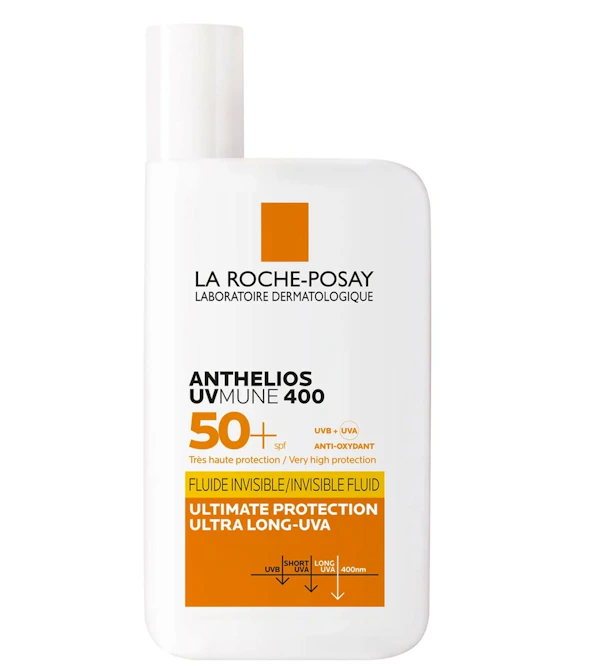
A forever favourite, this nifty-sized lightweight SPF applies like moisturiser but offers the proper sunscreen protection we all need.
Becky, Features Editor
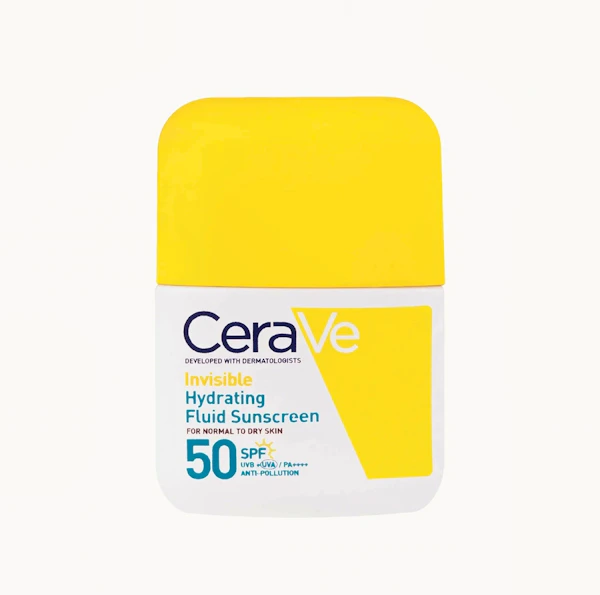
I am beyond thrilled that CeraVe, the heroically simple and budget-friendly skincare brand, has brought out a sunscreen at last – CeraVe Invisible Hydrating Fluid Sunscreen SPF50 – and that it is brilliant.
Lydia, Lifestyle Editor
Face: I always come back to this light, milky SPF50 from La Roche Posay every summer. Its non-sticky, sinks in and sits brilliantly under make-up and never irritates my skin. An oldie but a goodie.

Body: I’ve just fallen in love with this fine, fast-drying body mist SPF from Kopari – it has bonus skincare ingredients too that hydrate and brighten and it leaves a slight bronze shimmer to limbs, with a delicious tropical, coconut scent.
Nancy, Editor
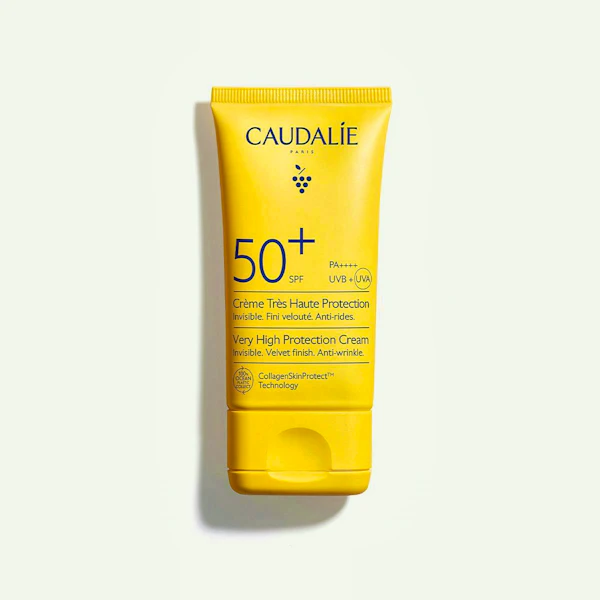
I am fickle when it comes to SPF, easily enticed by the thrill of the new. But when I buy a tube of Caudalie’s Very High Protection Cream SPF50+, I always know that I will not be disappointed. It’s non-greasy, hydrating and light while giving good protection. Perfect.
FAQs: Sun Screen
What SPF should I wear every day?
Dermatologists generally recommend wearing a broad-spectrum SPF30 or higher every day, even when it's cloudy. During summer or if you're spending extended time outdoors, SPF50 offers the highest level of readily available protection.
What's the difference between SPF30 and SPF50?
SPF50 filters a little more UVB radiation than SPF30, but no sunscreen blocks 100% of UV rays. The biggest difference comes from applying enough sunscreen and reapplying it every two hours, particularly after swimming or sweating.
Can I wear SPF under make-up?
Absolutely. Modern facial sunscreens are designed to layer comfortably beneath make-up, with lightweight, non-greasy formulas that act almost like a primer. The La Roche-Posay Anthelios range is a long-time favourite for precisely this reason.
Do I need a separate sunscreen for my face and body?
Not necessarily, but many people prefer facial SPFs because they're formulated to be lighter, less likely to clog pores and more comfortable around the eyes. Body SPFs are often more economical for larger areas and can include added skincare benefits, such as hydration or a subtle glow.
How often should I reapply sunscreen?
Every two hours when outdoors, and immediately after swimming, towelling off or heavy perspiration.
Can sunscreen replace moisturiser?
Some hydrating SPFs are moisturising enough for normal or oily skin, particularly in summer. If your skin is dry, you may still prefer to apply a moisturiser underneath.


